

Estate and legacy planning in Kelowna.
Legacy planning in Kelowna connects the life you want to enjoy with the people and places you hope to support. An Okanagan property, family business or years of saving may mean something different to each generation. We help you consider those intentions alongside retirement needs and financial responsibilities, with legal and tax professionals involved where their advice is needed. Begin with what you want your legacy to achieve.
First meetings and new enquiries
hello@thebilykteam.ca
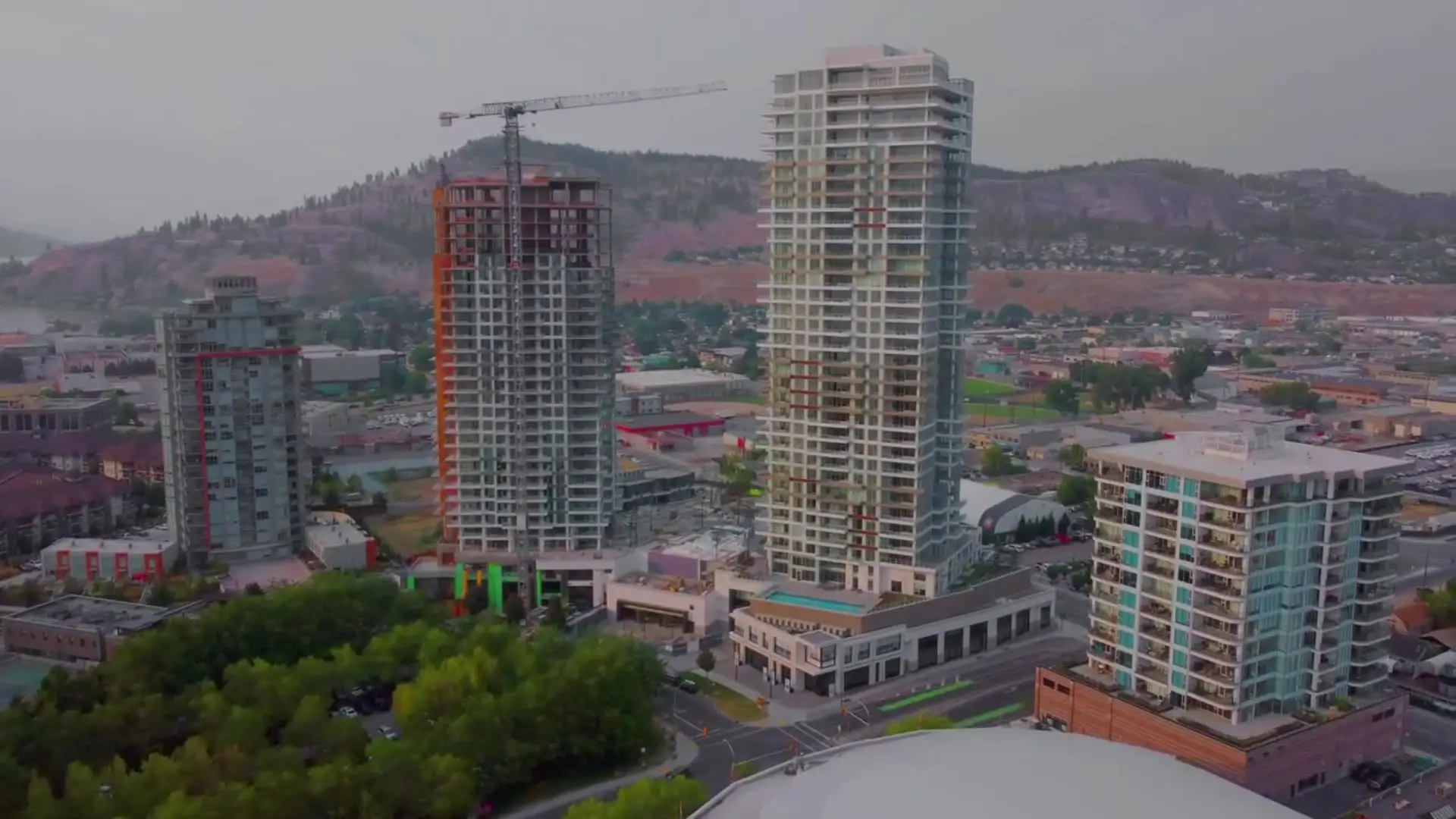
What should the next generation be able to enjoy, manage and make their own?
Start with the meaning behind what you leave.
A useful legacy conversation includes wishes and practical responsibilities. Consider the people involved, the assets they may receive and the support needed to carry intentions forward.
Different people, different needs
A partner, children, stepchildren or other relatives may have different needs and expectations. Consider who relies on you, what you would like to provide and which conversations should happen with your legal adviser.
Places with a shared history
A home, cottage, business or parcel of land can hold emotional and financial value. Ask whether intended recipients want the responsibility, can afford ongoing costs and share your hopes for its future use.
People ready for the role
Choose responsibilities as carefully as beneficiaries. Someone suited to managing finances may not be the same person you want making care decisions. Discuss willingness, availability and backup arrangements before asking your legal adviser to document appointments.
Gifts during and after life
Consider experiences, family support and community causes you would like to fund while you can see their impact. Review these wishes alongside future living costs before deciding what to give now or leave later.
Plan for the responsibilities that come with an Okanagan legacy.
Kelowna’s agricultural and rural land is part of its economy and identity. Alongside businesses and family properties, community giving can form part of a local legacy. Each brings questions about ownership, affordability and what future generations want.
Regional context: City of Kelowna: rural land and agriculture · Central Okanagan Foundation: ways to give
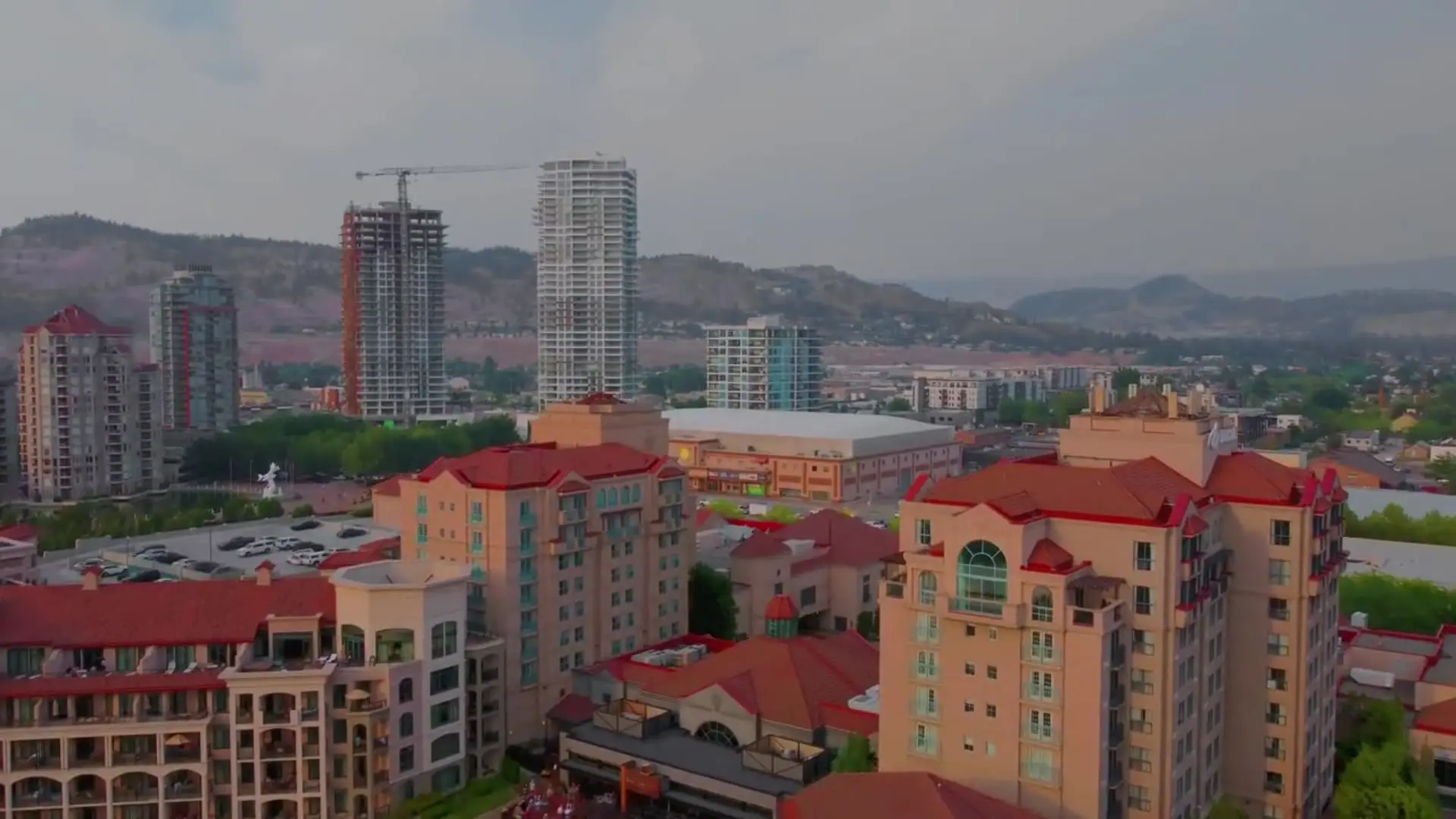
Aerial view of downtown Kelowna buildings and surrounding hills.
Keeping a property the family wants to keep
If an Okanagan cottage or shared property is part of your plan, ask future owners about use, maintenance and costs before deciding how it should pass on. One relative may want regular access while another would prefer cash. Explore those preferences and the funding questions with your advisers; affection for a place does not settle its ownership arrangements.
Separating the land from the family’s roles
For a family with a business, orchard or agricultural land, ownership and day-to-day involvement may be different. Who wants to operate the business, who owns the property and who expects an inheritance? Make those distinctions clear. Your legal and tax professionals can assess the arrangements; do not assume land can be divided or transferred on the terms you first imagine.
Giving while retirement is still taking shape
A gradual step back from work may create time for family and local causes before it creates certainty about future spending. Consider support for relatives and charitable intentions alongside living costs and possible care needs. Central Okanagan Foundation offers one local route for community giving. The timing and size of any gift should fit your own financial plan.
Make sure the right person has the right authority.
Financial planning can clarify what you want your documents to accomplish. Your B.C. lawyer or notary advises on preparing them, their scope and how they work with your circumstances.
Will and executor role
Your will gives instructions for after death and usually names an executor. Discuss family circumstances, intended gifts and the practical work of administering your estate with your legal adviser. Confirm who is willing to act and consider a backup. A will does not provide authority during incapacity.
Enduring power of attorney
An enduring power of attorney concerns financial and legal affairs and can continue if you become incapable. This can matter when property, bills or a business need attention. It does not authorize personal or health decisions. Your legal adviser can explain its scope and starting conditions.
Representation agreement
In B.C., a representation agreement can cover personal and health decisions. Some types also cover routine financial matters, with more limited financial scope than an enduring power of attorney. Ask your legal adviser which documents are appropriate and how the chosen people should work together.
Turn family intentions into practical planning questions.
Your financial, legal and tax advisers bring different perspectives. Connecting their work helps you see what a proposed gift or ownership change could mean for everyone involved.
Your financial picture
We help connect retirement spending, accessible funds, investments and intended family support. Looking at these together can reveal where a property or business decision could affect your income, the resources available for gifts or future estate funding.
Your legal and tax advice
Your legal and tax professionals review document wording, family obligations, ownership and the tax consequences of proposed arrangements. Their advice is especially important when a property serves several purposes or different relatives have different roles in a business.
Bring the picture together
A summary of property, business interests, savings and debts.
Document dates and an overview of beneficiary choices.
Questions about family expectations, retirement and giving.
Questions about legacy planning in Kelowna.
Can we plan to keep an Okanagan property in the family?
Begin by asking who wants to own it and how ongoing costs would be shared. Then consider debt, future repairs, tax and what happens if someone wants to leave the arrangement. Financial planning and tailored legal advice can help assess the options before you promise a particular outcome.
Can a cottage pass to children without tax?
Do not assume so. Capital property is generally treated as disposed of at death, which may create a gain even when no sale occurs. Exemptions and other rules depend on the property and circumstances. Ask your tax adviser to assess the potential liability and how it could be funded.
How should a blended family approach legacy planning?
Clarify current support commitments and longer-term intentions for a partner, children and other relatives. Have your lawyer review legal obligations and how your will and beneficiary choices fit together. A family conversation can explain intentions, but it cannot replace appropriate documents or resolve every legal question on its own.
How do Kelowna residents arrange a first meeting?
Contact hello@thebilykteam.ca for a first conversation. We offer virtual meetings; our only physical office is in Vegreville, Alberta. You can start with questions about family, property or retirement. Existing clients should use clientservices@thebilykteam.ca for support with their current relationship and planning needs.
Begin with the conversation your family needs.
Whether you are considering a property, a future gift or the next stage of retirement, we can help connect your intentions with the financial questions that need attention.
First meetings and new enquiries
hello@thebilykteam.ca
Existing clients
clientservices@thebilykteam.ca